The Institute of DNA Science
The Institute of DNA Science (IDNAS) is an independent research institute founded by Dr. Linda Ellison, studying how DNA responds to sound and its effects on stress, aging, and longevity.
-
The Institute of DNA Science studies how physical information becomes biology.
We investigate the mechanisms by which sound, vibration, and electrical signaling are received by the body inside DNA and converted into measurable biological change. We work across physics, molecular biology, medicine, engineering, and neuroscience, because the question does not belong to any one of them.
Our aim is to establish a mechanism first, and then to build from it.
-
Medicine can measure molecules. It cannot yet measure the forces that organize them.
We work toward a medicine in which the physical inputs that shape health are as measurable and as actionable as the molecules they act on. Where the pathway from stress to cellular damage is not inferred but observed. Where resilience can be built rather than hoped for.
-
The Institute was founded in 2020 to study a single question: how cortisol acts on telomeres.
The question opened. Following the mechanism upstream led into bioelectricity, acoustic biology, and information transfer within living systems, and the Institute grew to meet it.
We maintain two California campuses, one in Northern California and one between Los Angeles and San Diego.
-
Interdisciplinary by necessity. The questions we work on do not sit inside a single field. Our work integrates biology, physics, chemistry, genetics, engineering, medicine, and information science because it has to.
Mechanism before application. We establish why something happens before we build anything on it. An intervention that works for unknown reasons is not a finding.
Evidence over dogma. We publish methodology, we state where the evidence ends, and we change position when the data requires it.
Translation with purpose. Discovery that stays in a journal has not finished its work.
Human-centered. Every question we ask ends at a person.
-
Stress Biology
How psychological, environmental, and physiological stress becomes biological change. Acute and chronic stress. Cortisol and neuroendocrine signaling. Inflammation. Oxidative stress. Recovery and resilience.Aging and Longevity
The mechanisms that govern healthy aging and extend healthspan. Biological aging. Telomeres. Cellular repair. Mitochondrial function. Immune resilience. Cognitive aging.DNA Signaling
DNA as a system that receives and responds to physical information. Structure and function. Gene regulation. Epigenetics. Cellular communication. The piezoelectric properties of DNA. Information transfer within biological systems.Bioelectrics and Biophysics
The physical mechanisms that organize biology. Endogenous electrical signaling. Biophoton emission. Mechanotransduction. Electromagnetic interaction. Biological oscillation. Energy transfer in living systems.Sound and Information Science
How acoustic information interacts with biological systems. Voice. Frequency. Vibration. Resonance. Auditory neuroscience. Information encoding. Acoustic therapeutics.Translational Human Health
Turning findings into practice. Preventive medicine. Digital therapeutics. Behavioral intervention. Public health. Personalized health technology. -
Translational Stress Biology Program
Investigating the pathways by which chronic stress produces inflammation, cellular aging, and long-term disease, and developing measurable interventions that improve resilience and healthspan.Bioelectrics and Information Science Initiative
Examining how physical information, including sound, vibration, and endogenous electrical signaling, interacts with biological systems to alter cellular function.Harmony Accord Satellite Initiative
Developing scalable approaches to delivering structured acoustic protocols at population scale, and studying their effects on stress regulation, physiological recovery, and healthy aging in longitudinal research. -
The Institute conducts research with academic institutions, healthcare organizations, independent investigators, and technology partners, under standards of research integrity, participant privacy, and ethical oversight.
-
All studies are conducted under the institutional review board of the partner institution or the country in which the work takes place. Consent, data handling, and participant privacy follow the standards of that governing body.
Research staff and collaborating investigators are not listed publicly.
-
Findings are currently held for the clinical use of our partners and collaborators and are not publicly available. A significant portion of our work is conducted under confidentiality at the request of hospital and university partners.
-
The Institute of DNA Science conducted a four-year study of 890 participants across 23 locations on five continents. 491 sounds were tested against seven biomarkers. 488 failed. 3 held across the full panel. We asked how sound affects stress, aging, and longevity at the cellular level. We tested whether specific sounds could be measured to produce physical change in the body, and whether that change was aging or repair.
We are publishing the findings as a book rather than behind a paywall, because a finding about longevity that only reaches people who can afford access is not a public health finding. The resulting protocol requires no equipment, no cost, and no specialized training.
Each of the 491 sounds was evaluated against 7 physiological biomarkers, measuring change in DNA signaling, cellular communication, biological aging, oxidative stress, and whole-body physiology.
Biophoton emission Ultra-weak light emitted by living cells, reflecting cellular communication and metabolic activity.
DNA signaling coherence The organization and coherence of DNA signaling within the cell.
DNA signaling network density The strength and connectivity of the DNA signaling network.
Complete blood chemistry Standard clinical blood markers used to evaluate systemic physiological health.
Telomere length A marker of biological aging reflecting the integrity of chromosome ends.
Telomerase activity The enzyme responsible for maintaining and repairing telomeres.
Oxidative stress Cellular damage caused by reactive oxygen species and free radicals.
3 of the 491 sounds produced consistent, measurable effects across all seven biomarkers.
-
Research, media, and collaboration inquiries please contact: a.fenn@idnas.org
-
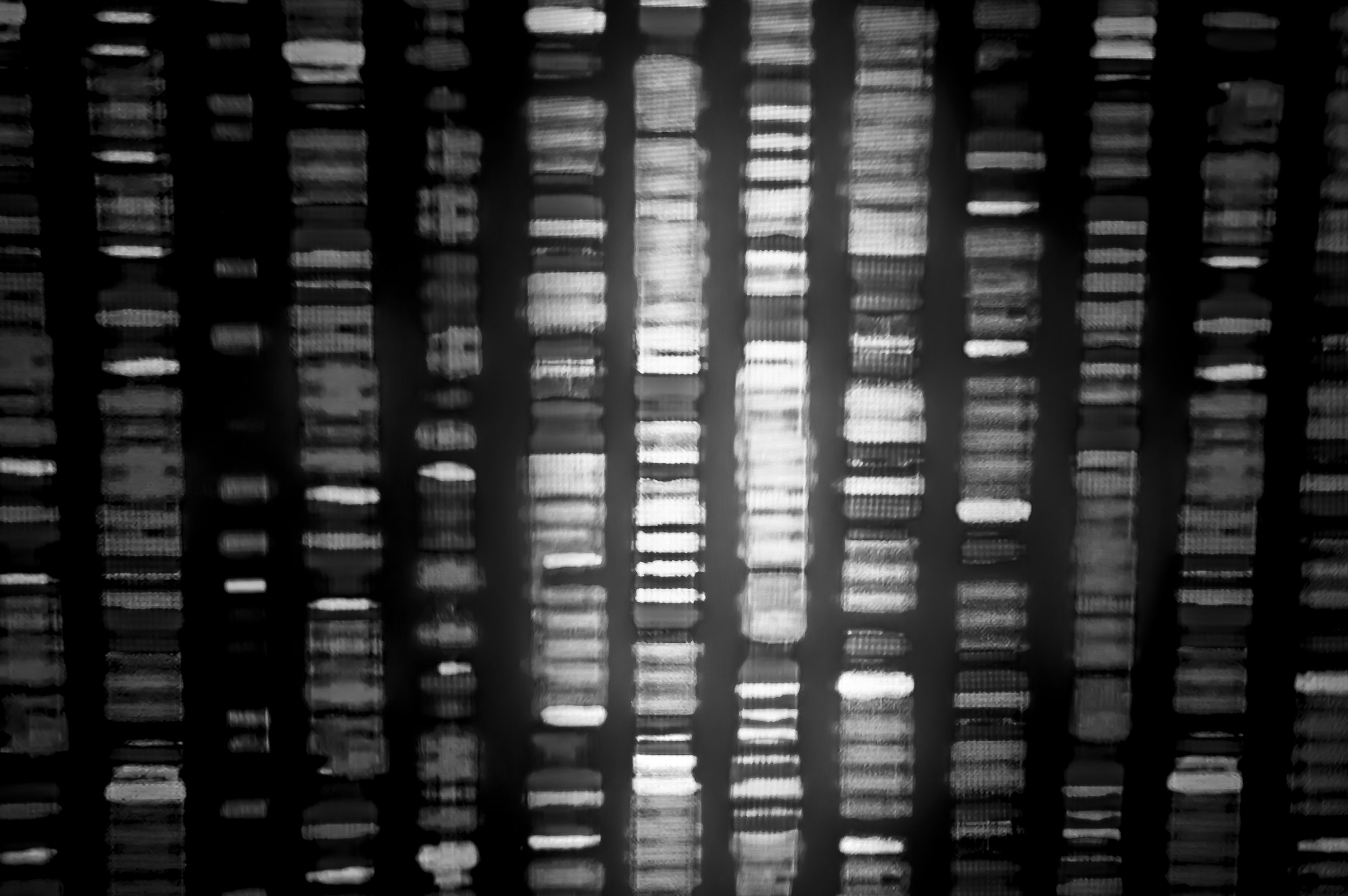
![DNA imaging used by Dr. Linda Ellison.]()
DNA electrophoresis
-
![DNA cellular signaling relay communication network studied by Dr. Linda Ellison.]()
Biological network analysis
-
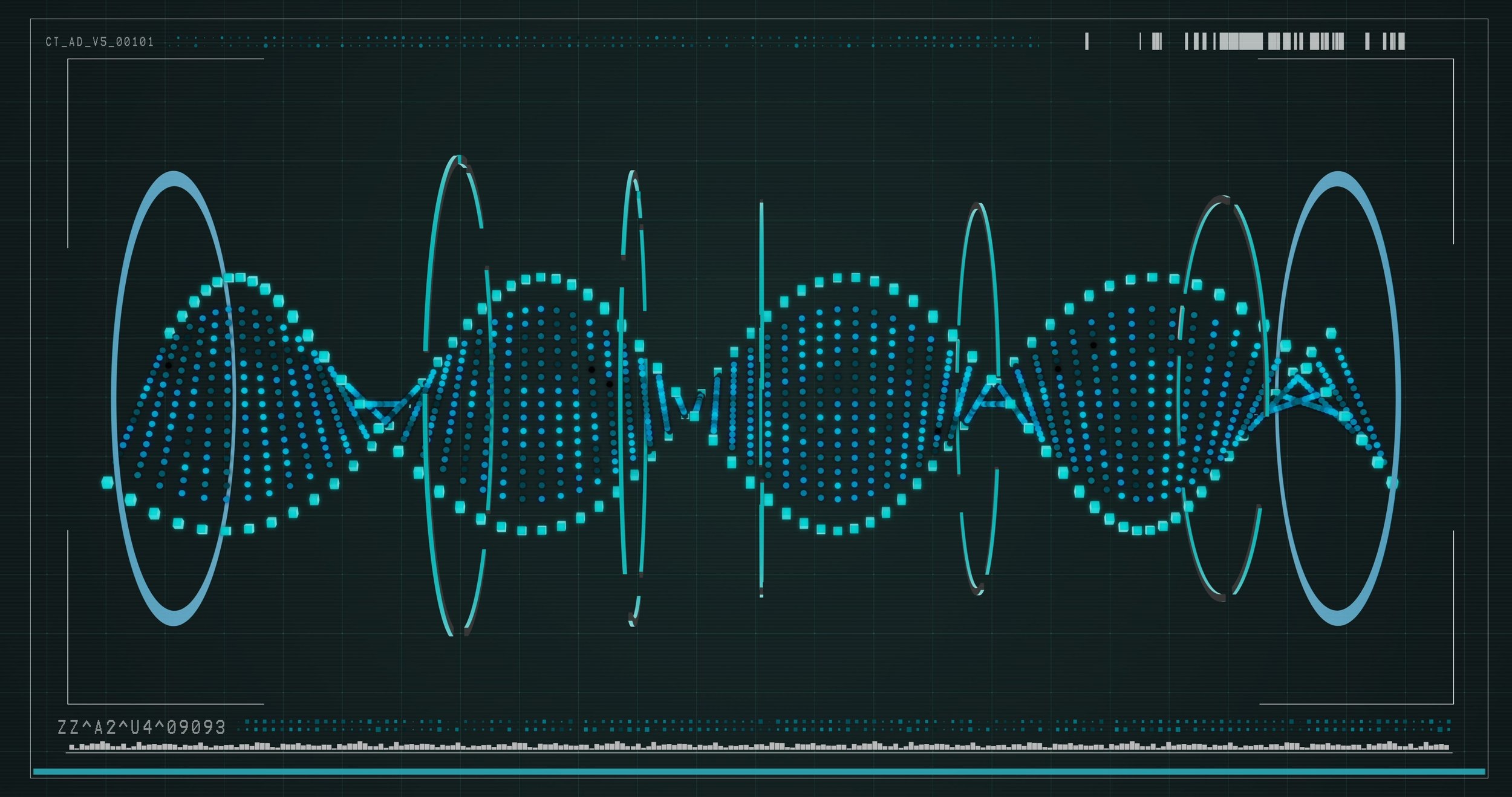
![DNA and bioelectric signaling]()
DNA and bioelectric signaling modeling